How to Choose a Power Bank for a Weekend Trip
Choose portable power for navigation, photos, and travel without carrying more battery than you need.
Research-led guidance based on published information and practical selection criteria. We have not performed hands-on testing of the products discussed.
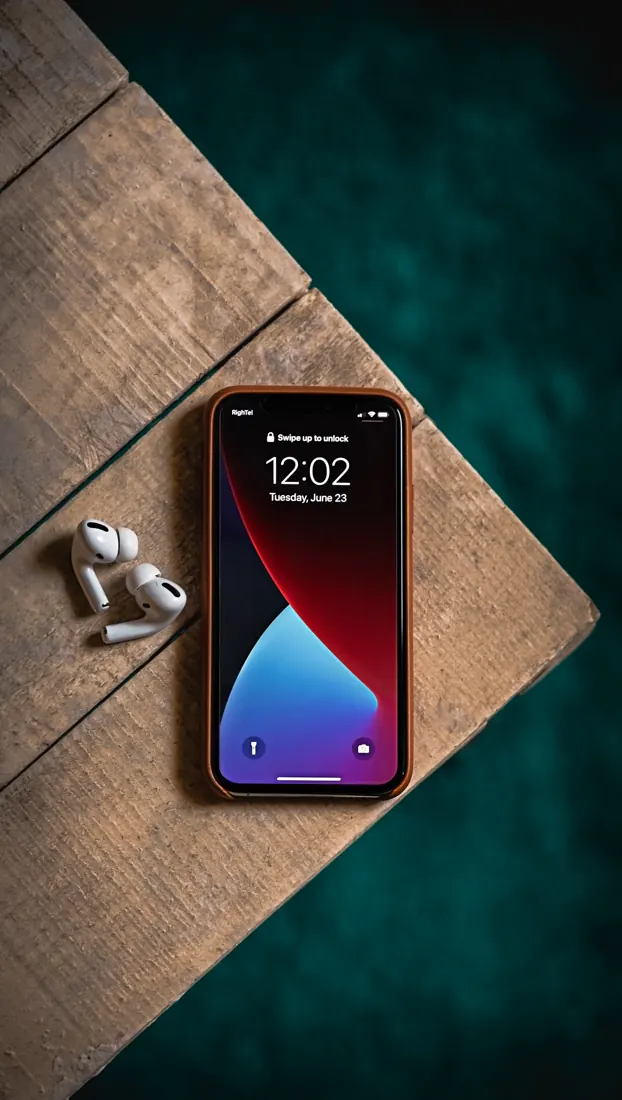
A weekend away can push a phone harder than an ordinary workday. Navigation stays open, the camera gets frequent use, and patchy reception encourages the phone to search for a signal. A power bank makes sense when that workload meets uncertain access to an outlet. Choose it around the devices you actually carry, rather than the largest capacity printed on a listing.
Our recommendation is a compact, reputable USB-C power bank for a phone-focused trip, with output and cable compatibility checked before purchase. Add more capacity only when two people will share it, your accommodation lacks dependable outlets, or another device needs charging. A bank that stays at home because it feels too heavy solves nothing.
Start with the itinerary
Write down the longest interval between charging opportunities. A hotel-based city break may need only a reserve for the afternoon. A camping weekend requires a different plan, especially if maps and tickets live on the phone. Download maps and booking details ahead of time so a flat battery is not your only obstacle to finding the campsite.
Capacity expressed in milliamp-hours is not a direct promise of how many complete phone charges you will get. Cell voltage, conversion losses, charging conditions, and the phone’s own battery all matter. Compare watt-hours when available, then leave a margin instead of assuming every advertised unit becomes usable energy at the phone.
| Trip scenario | Purchase priority | Tradeoff to accept |
|---|---|---|
| Hotel and daily sightseeing | Compact size, dependable USB-C output | Less reserve for sharing |
| Two travelers using one bank | More usable energy and enough ports | More weight in the day bag |
| Camping with limited outlets | Capacity and a planned recharge method | A longer recharge stop |
| Flight plus laptop work | Documented watt-hours and suitable USB-C power | Larger bank and stricter planning |
Check both directions of charging
An input specification describes how the bank itself recharges. Output describes what it can deliver to your devices. A fast output does not guarantee fast recharging, and some multiport banks reduce the power available to each port when used together. Read the manufacturer’s allocation table instead of adding all the headline numbers.
For a USB-C phone, look for compatible USB charging support, including USB Power Delivery when your phone uses it. The device and charger negotiate supported power; a higher maximum does not force the phone to accept it. Carry a cable that supports the intended charging level and inspect its connectors before leaving.
A laptop needs its own compatibility check. The presence of a USB-C socket alone does not establish that it accepts charging through that socket, and a phone-oriented bank may be inadequate for sustained laptop use. Read the laptop maker’s charging guidance. Our shared charger guide explains why the cable and power budget belong in the same decision.
Travel rules and practical safety
For air travel, check your airline as well as the applicable aviation guidance before packing. The FAA identifies power banks as spare lithium batteries and requires them in carry-on baggage rather than checked bags. Battery size and airline approval requirements can affect eligibility; use the labeled watt-hour figure, not a retailer’s informal assurance.
Keep the bank protected from loose metal objects and crushing. Do not use a swollen, damaged, unusually hot, or recalled battery. Avoid leaving it in a hot car or under bedding while charging. A purchase from a traceable seller with clear manufacturer support is a more useful priority than a decorative screen or vague claims of extreme capacity.
Test the complete combination at home: recharge the bank, connect your phone with the travel cable, and confirm it charges normally. Pack the bank where it is accessible, but keep the cable from snagging while walking. A short cable reduces clutter; a longer one may be easier when the bank sits securely in a bag.
Who should skip the purchase?
Skip a new bank if your existing one safely covers the trip and still behaves normally. Travelers who return to an outlet frequently may get more benefit from a dependable wall charger. Someone needing all-day laptop power should also reconsider whether a portable battery is the right answer; accessible workspace power can be simpler and lighter.
Questions before buying
Is more capacity always better?
No. More capacity usually means extra size, weight, and recharge time. Buy enough for the longest realistic gap between outlets, with a reserve, rather than maximizing a number.
Can one bank charge two phones at once?
Possibly, but verify the ports and shared output behavior. Two connections can change charging speed, and both phones draw from the same stored energy.
Should I replace my phone battery instead?
If everyday battery life has become consistently poor, check battery health and manufacturer service options first. A power bank can provide travel insurance without solving an aging internal battery.
Sources & further reading
Consult these official resources for technical details and compatibility. Product availability, specifications, and terms can change; verify the exact model before buying.
Spotted an error? Send a correction to Smartvora.